







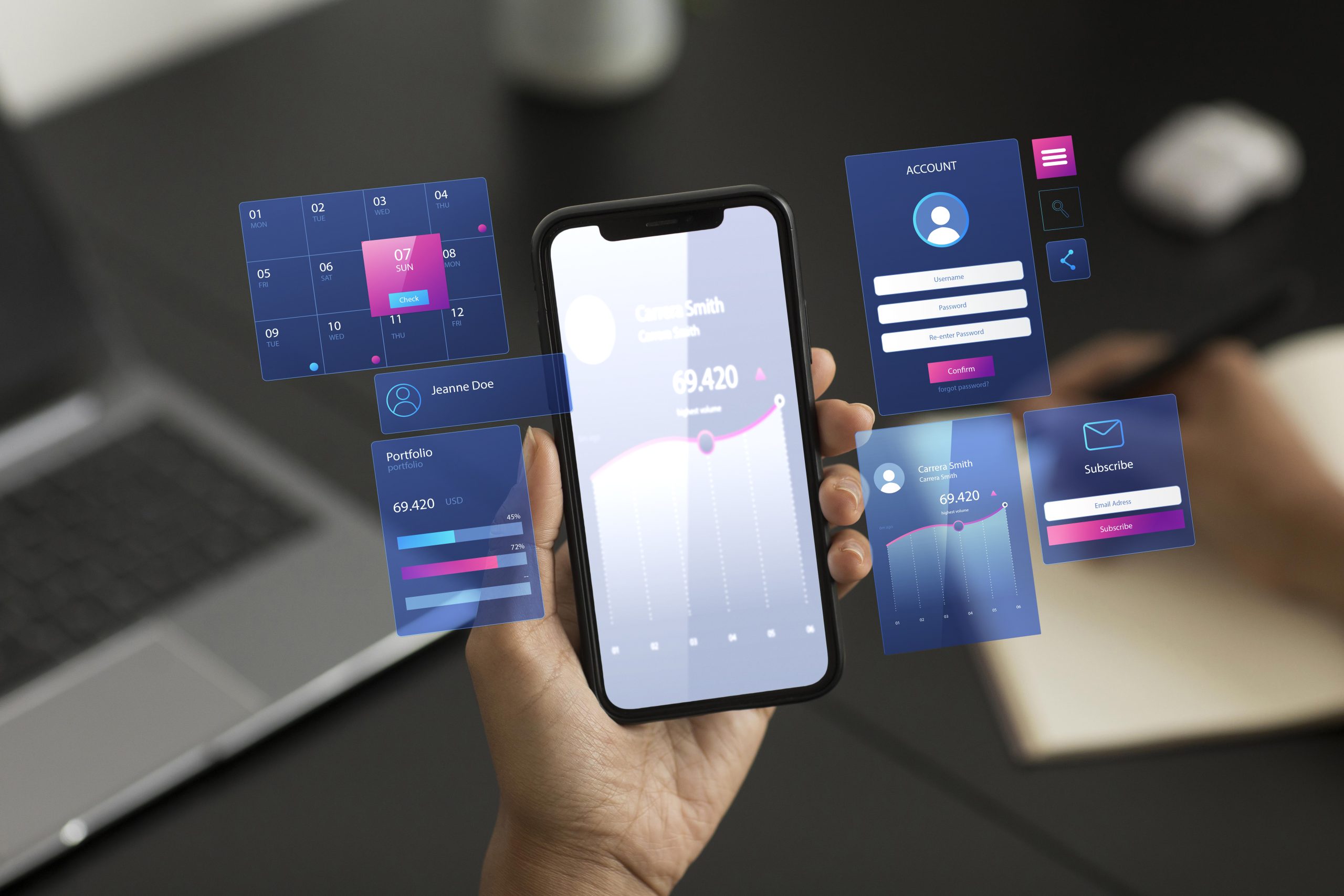
In the realm of digital products and services, the user interface (UI) and user experience (UX) design play a crucial role in shaping user behavior and decision-making. Persuasion in UI/UX design refers to the intentional use of design elements, techniques, and psychological principles to influence and encourage users to take specific actions or make desired decisions.
Persuasive design aims to create a seamless and compelling user journey by leveraging visual, interactive, and informational cues that guide users toward desired actions or outcomes. The ultimate goal is to nudge users towards a positive experience, conversions, or achieving their goals while aligning with the business objectives of the product or service.
5 Powerful Techniques for Creating a Persuasive UI/UX Design
Clear and compelling calls-to-action (CTAs)
Calls-to-action are essential elements in UI/UX design that prompt users to take specific actions. To make CTAs persuasive, design visually prominent and attention-grabbing CTAs that stand out from other elements on the page, use action-oriented language that clearly communicates the desired action and its benefits, and incorporate persuasive elements such as urgency, exclusivity, or incentives to encourage immediate engagement.
Visual hierarchy and information presentation
The visual hierarchy and presentation of information greatly influence user engagement. Guide users’ attention through the effective visual hierarchy by arranging elements based on their importance and relevance, use visual cues such as colors, size, and positioning to emphasize important information and guide users’ focus, and present information in a clear, concise, and scannable manner to facilitate quick understanding and decision-making.
Social proof and social influence
Leveraging social proof and social influence can significantly impact user behavior. Showcase testimonials, reviews, and ratings to establish credibility and trustworthiness, incorporate social sharing buttons and recommendations to encourage users to share and engage with the content, and highlight user-generated content and success stories to create a sense of community and validation.
Personalization and tailored experiences
Personalized experiences can enhance user engagement and satisfaction. Utilize user data to deliver personalized content, recommendations, or product suggestions, create adaptive interfaces that adjust based on user preferences and behavior, and customize interactions based on user demographics, past behavior, or stated preferences to increase relevance and engagement.
Gamification and interactive elements
Gamification techniques can make the user experience more enjoyable and engaging. Incorporate game-like elements such as progress bars, badges, or rewards to motivate users and create a sense of achievement, reward users for specific actions or milestones to encourage continued engagement and completion of desired tasks, and create interactive and immersive experiences through interactive quizzes, challenges, or interactive storytelling.